
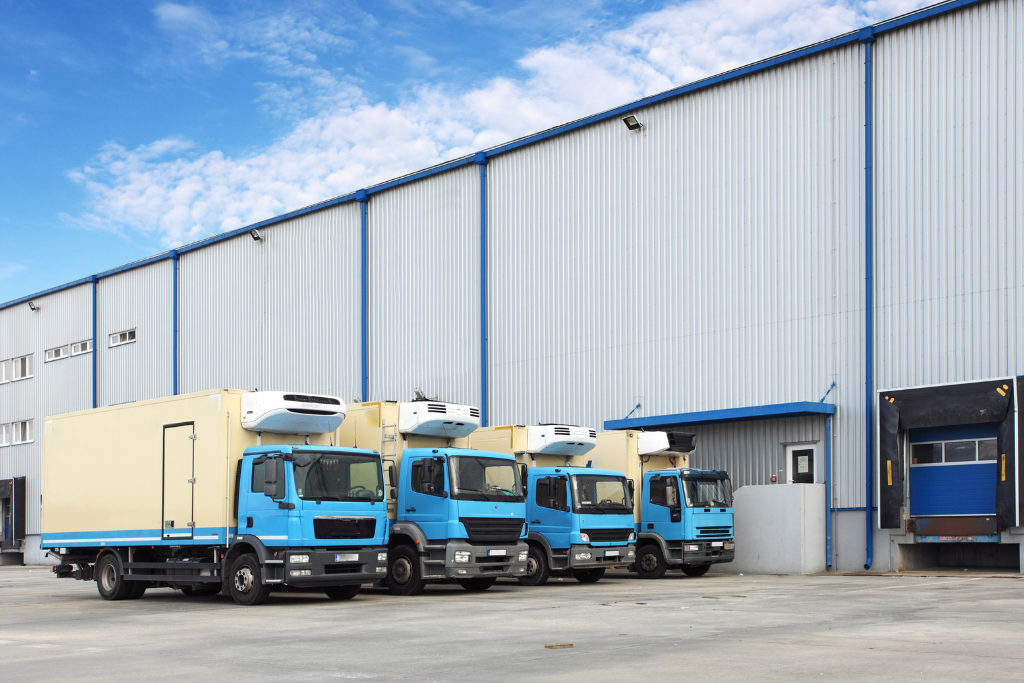
In supply chain management and logistics, scalability, safety, and efficiency depend critically on the warehouse infrastructure decision. Often during facility choice, two frequent classifications—Grade A and Grade B warehouses—surface. But just what distinguishes them?
Grade A Warehouses Constructed for Modern Logistics
Premium facilities meant to satisfy the most current requirements in the industry are grade A warehouses.
Usually seen in these warehouses are:
- Greater ceiling heights—often 12 meters or more
- Wide column spacing for best forklift operation and racking alignment
- Level flooring free of dust and strong load-bearing capacity
- Modern fire safety precautions and round-the-clock security exceptional access to ports, airports, and freeways
- Natural lighting, rainwater collecting, and solar power among sustainable elements.
E-commerce giants, 3PL providers, and FMCG companies typically choose Grade A warehouses because of their efficiency, scalability, and global compliance with standards. High volume operations would find these facilities perfect since they support automation, fast turnaround times, and efficient inventory control.
Grade B Warehouses: Functional but Basic
Conversely, grade B warehouses have more conventional and basic infrastructure. Still in use, they sometimes have:
- Usually below 8 meters, lower ceiling heights
- Odd layouts with limited column distances
- Restricted fire safety measures
- Less current conveniences and older building materials
- Limited access for containers or big trucks
- Local wholesalers, small manufacturers, low-turnover enterprises without high-end requirements often use Grade B facilities. Though reasonably priced, they might not satisfy international safety criteria or support automation.
Deciding Between Grade A and Grade B Warehousing :
Factors include firm size, kind of inventory, budget, and long-term logistics plan determine which of Grade A and Grade B warehouses to choose. Grade A warehouses should be taken under consideration by companies seeking scalability, compliance, and operational excellence even if Grade B would be sufficient for temporary or regional storage requirements.
Conclusion :
Grade A warehouses have better design, efficiency, and compliance overall; Grade B warehouses give only basic, reasonably priced storage. Demand for Grade A warehouses both in India and internationally is growing as logistics develop.


Join The Discussion